Car Key Replacement by Vehicle Brand — What You Need to Know
Different automakers use different key technologies, and that directly affects how a replacement is made. Toyota and Lexus vehicles manufactured after the mid-2000s typically use encrypted transponder keys or smart key proximity fobs that must be programmed to the vehicle's immobilizer system. Ford and Lincoln models — especially those with MyKey or push-button start — often require on-board diagnostic (OBD) programming in addition to a new key blade. GM vehicles (Chevrolet, GMC, Buick, Cadillac) commonly use a PassLock or PassKey system that must be matched precisely, while Chrysler, Dodge, and Jeep models frequently utilize rolling-code transponder chips that cannot simply be copied at a hardware store. German brands such as BMW, Mercedes-Benz, Audi, and Volkswagen use some of the most advanced proximity key systems available, with encrypted pairing routines that demand specialized software. Honda, Hyundai, Kia, and Nissan each have their own proprietary transponder and smart-key protocols as well.
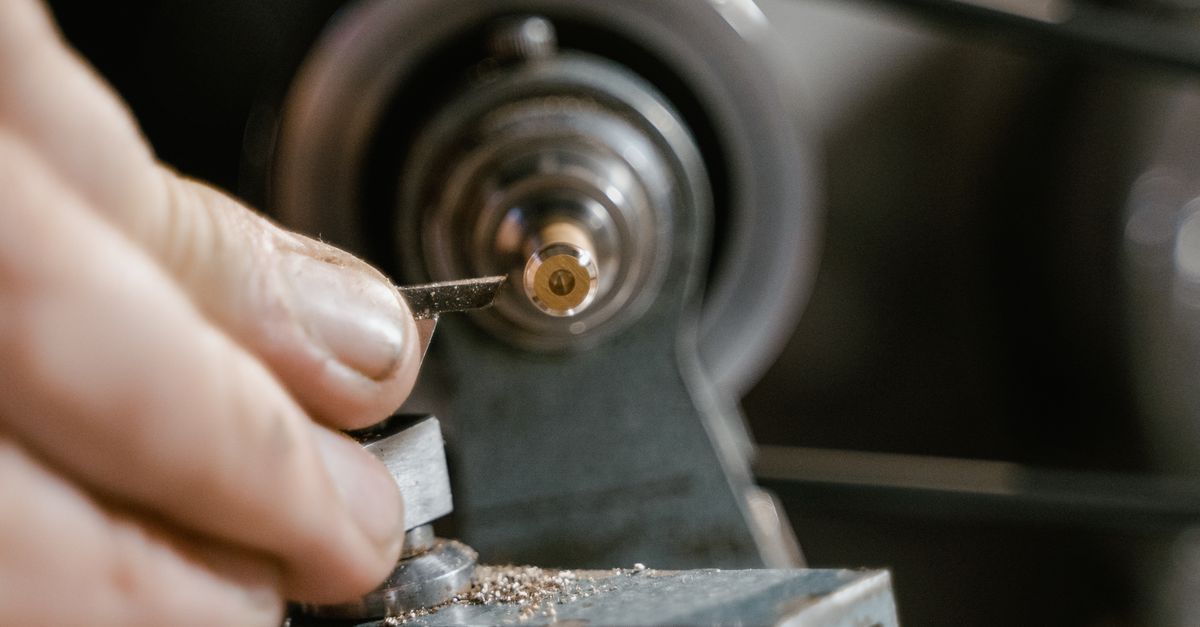
No matter which brand you drive, our skilled technicians are equipped to handle the full process on-site: cutting the physical key blade to the vehicle's lock code, programming the transponder or fob to your specific car's computer, and verifying that all functions — door locks, trunk release, push-to-start — work correctly before we pack up and leave. We work across the entire Denver metro, from the Highland neighborhood to Aurora and Englewood, and we prioritize a damage-free approach at every step.