How Key Fob & Transponder Programming Actually Works
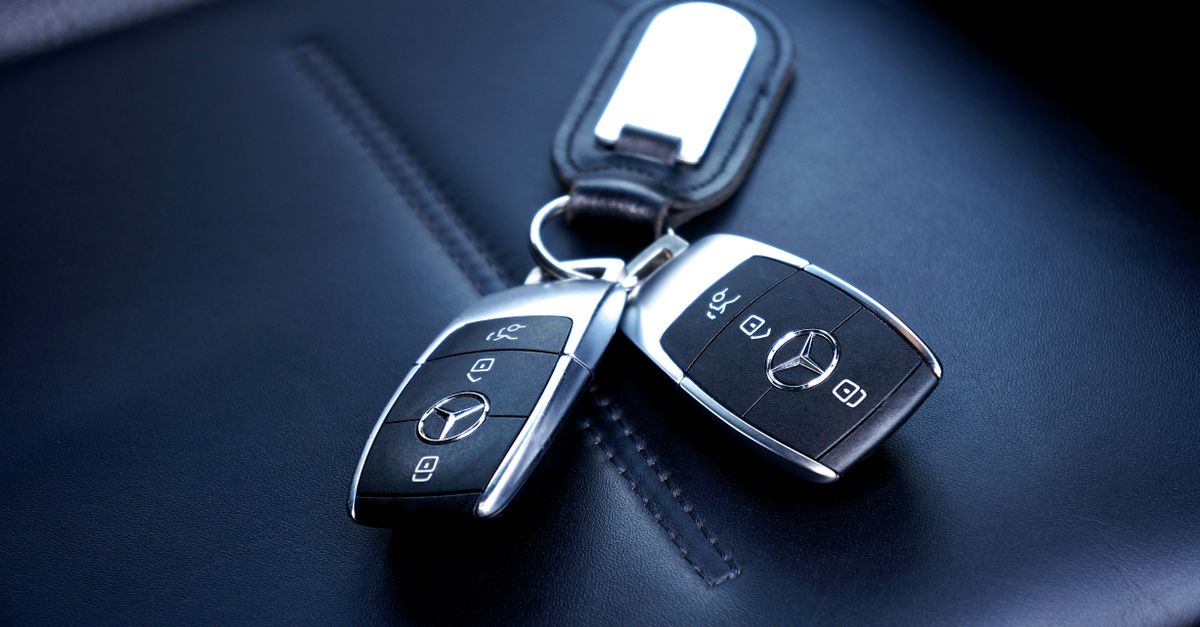
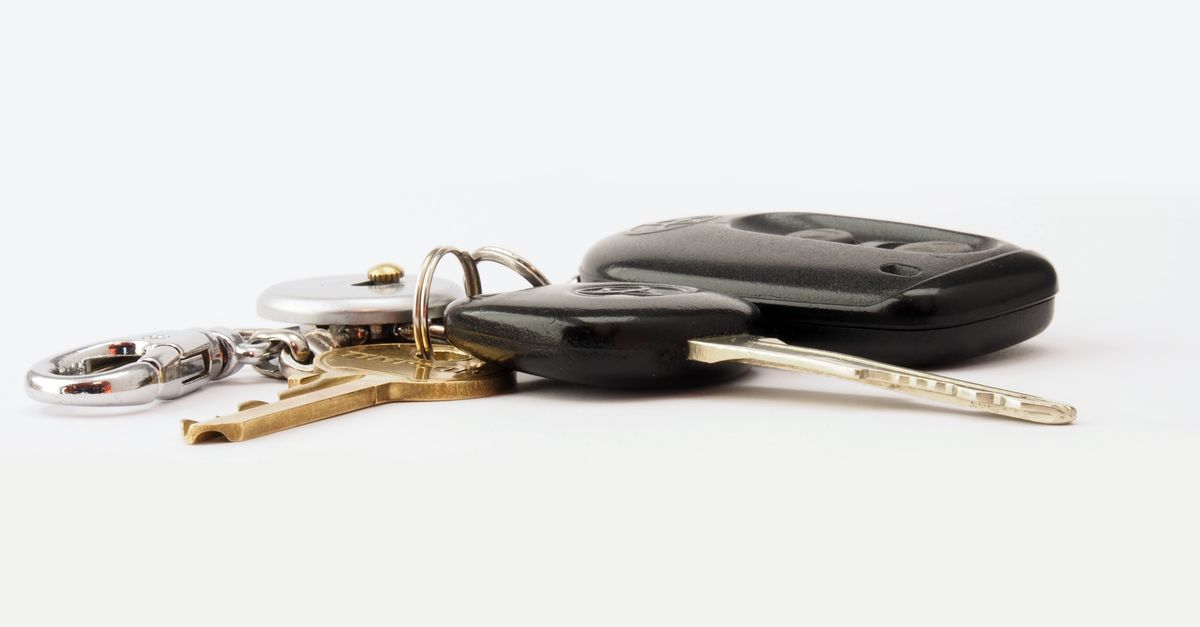
A transponder key contains a small microchip embedded in the plastic head of the blade. When you insert the key into the ignition, the car's receiver sends a radio frequency signal to the chip and waits for the correct coded response. If the chip's code doesn't match what the vehicle's ECU expects, the engine immobilizer activates and the car simply won't start — even if the physical blade cuts are perfectly correct. Remote fobs add another layer by communicating wirelessly via radio frequency to control locks, trunk releases, remote start, and panic alerts. Programming these devices requires professional-grade diagnostic tools that interface directly with the vehicle's onboard network to write, clone, or sync the correct codes.
Our technicians carry multi-platform key programming equipment that covers the protocols used by major domestic brands and a broad range of imported vehicles. The process is performed damage-free wherever the technology allows, meaning we don't bypass or tamper with your vehicle's security systems — we work within them, using the correct manufacturer-defined procedures. Before any work begins, we verify vehicle ownership through documentation and confirm an exact, up-front price so there are no surprises on the invoice.