Why Commercial Lock Rekeying Belongs in Every Staff Transition Plan
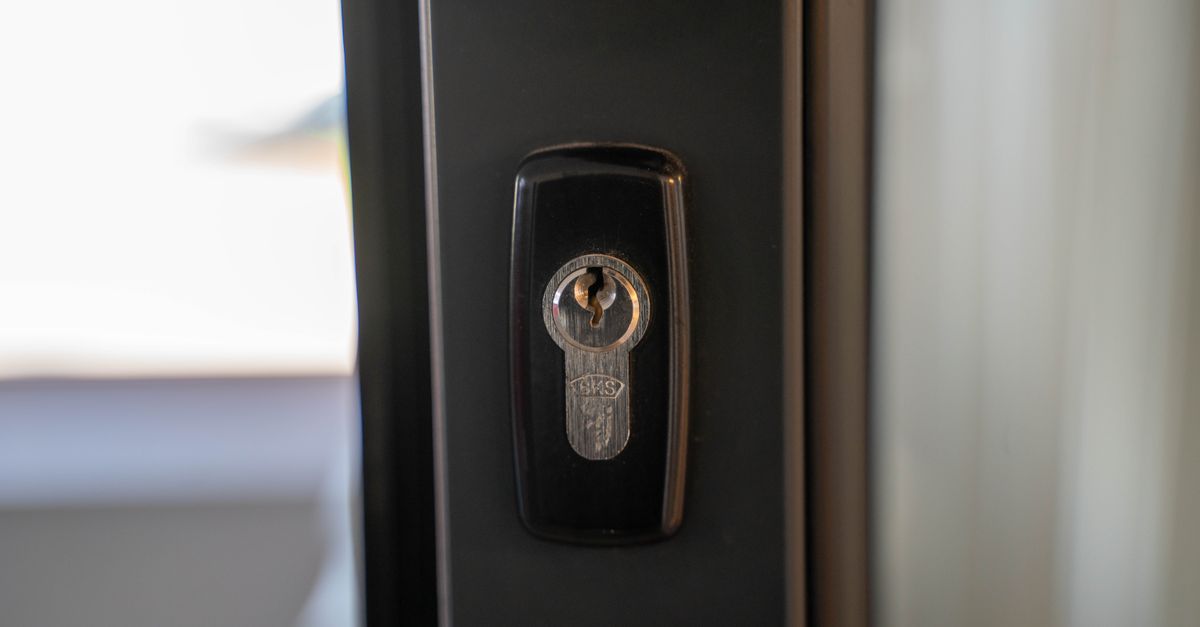
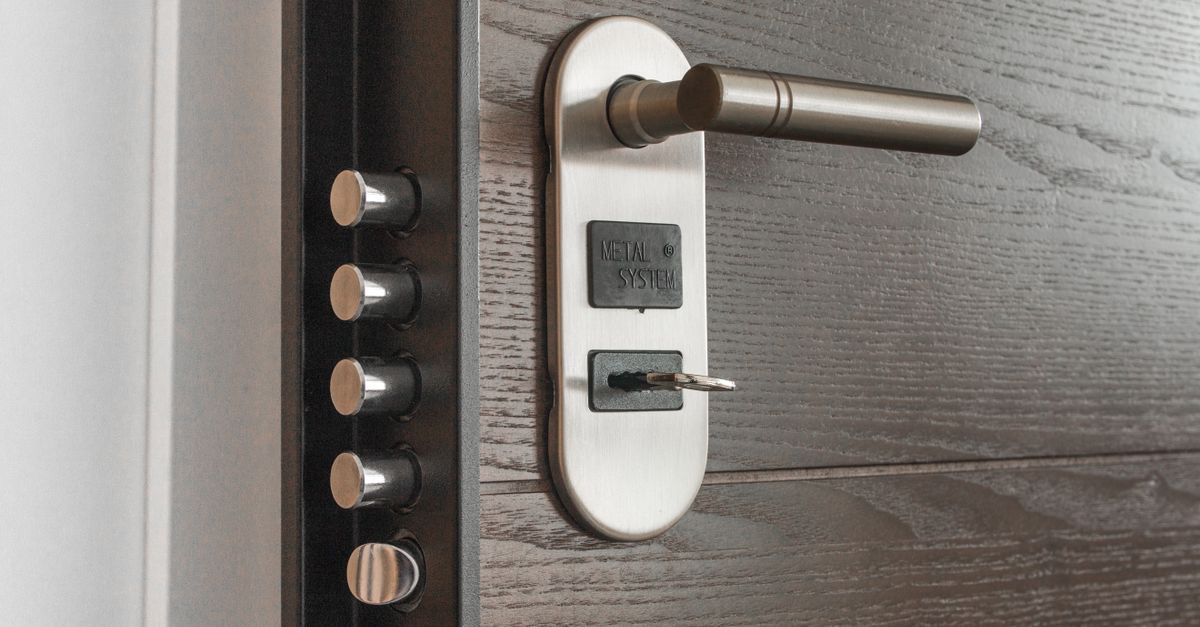
Most Denver business owners think about rekeying only after a problem arises — a disgruntled former employee, a missing key, or a break-in scare. A smarter approach treats rekeying as a standard offboarding step, the same way you'd revoke a badge or disable a login credential. When you rekey a lock, a trained technician removes the cylinder, replaces the internal driver and key pins with a new configuration, and reinserts the cylinder. The existing lock body, bolt, and strike plate remain in place. The result is a lock that functions identically to the original but responds only to the new keys — every previous copy, whether it was handed back or not, becomes inert. For multi-tenant office buildings near the Denver Tech Center or retail strips along South Broadway, this process can be completed across an entire key suite in a single visit, meaning all your doors can be reconfigured to work with one new master key arrangement.
The financial logic is straightforward without quoting any specific figures: rekeying costs a fraction of full hardware replacement because the labor and materials involved are minimal compared to sourcing and installing new locksets. Factors that influence what your final quote will look like include the number of cylinders to be serviced, the lock type (a standard cylindrical knob lock versus a heavy-duty mortise lock involves different disassembly steps), the time of day the work is requested, and whether any travel distance or after-hours response is involved. At Reliable Denver Locksmith, we confirm an exact up-front price before a single tool comes out of the bag — no surprises on the invoice.