Reliable Denver Locksmith Service Team
Local locksmith team
Jun 12, 2026 13 min read
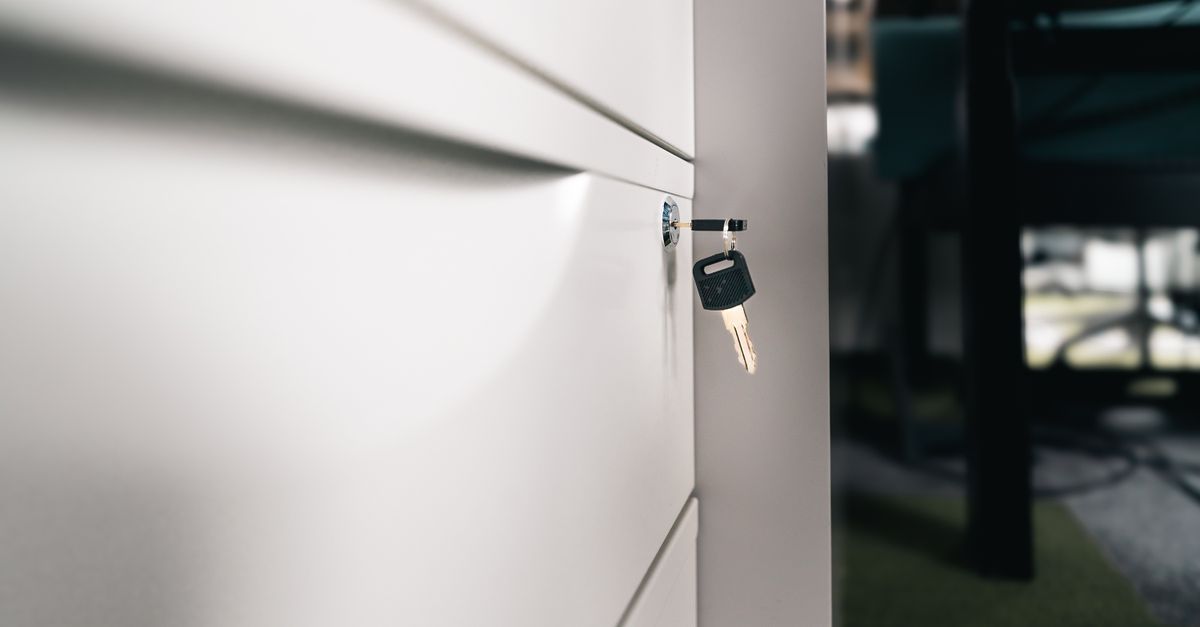
It happens fast — you turn your key, feel an unexpected snap, and suddenly you're standing at your front door on a Denver evening holding half a key while the other half sits buried inside the lock cylinder. Whether it happened at a Wash Park bungalow, a Capitol Hill apartment building, or in the door of your car parked near the 16th Street Mall, a snapped key is one of those problems that seems minor until you realize you genuinely cannot get in. The good news: a trained locksmith can extract a broken key cleanly without destroying your lock — and in most cases, have you back inside within minutes.
What you do in the first sixty seconds after a key snaps matters more than most people realize. This article walks you through exactly how professional broken key extraction works, why attempting it yourself almost always makes things worse, how mortise lock and deadbolt cylinders factor into the process, and what to expect when you call a mobile locksmith to your door. By the end, you'll understand the full picture — and know exactly when to put the tweezers down and pick up the phone instead.
## Why Keys Snap — and What's Happening Inside the Cylinder
Keys don't snap randomly. Most breaks happen because the key already had a hairline stress fracture — often from being bent slightly over time, copied from a worn original, or simply from years of use on a stiff lock cylinder. When the right amount of torque meets the right weak point, the metal gives way. The fragment left inside the cylinder is almost never sitting flush at the keyway opening. It's usually wedged several millimeters deep, sometimes rotated off-center if the key broke mid-turn, and occasionally jammed against one or more of the lock's internal pins. On a standard deadbolt or door knob lock, those pins are spring-loaded and can grip the broken piece from multiple sides. On a mortise lock — the type commonly found in older Denver homes, commercial storefronts, and many apartment buildings along Colfax Avenue — the mechanism is more complex, with a full lock body recessed into the door edge, making extraction both more involved and more critical to get right.
Understanding this geometry is exactly why guesswork doesn't work. When someone grabs a flathead screwdriver or a pair of household tweezers and starts pushing, probing, or prying, they almost always do one of three things: push the fragment deeper into the cylinder, scratch or widen the keyway, or rotate the plug and pins into a position that makes extraction harder for everyone — including the professional who arrives after. A damaged cylinder may need to be drilled out entirely, which means the lock itself needs to be replaced rather than simply rekeyed. That one impulsive minute of DIY effort can turn a straightforward extraction call into a full lock replacement job.
## How a Professional Locksmith Extracts a Broken Key — Step by Step
When a skilled locksmith arrives at your door, the first thing they do is assess, not act. They'll look at the keyway opening with a light source, note how far the fragment has traveled, check whether any rotation occurred before the snap, and identify the lock type — because the approach for a basic Kwikset deadbolt differs from the approach for a Schlage mortise lock or a high-security cylinder on a commercial property. This assessment takes about ninety seconds and shapes every decision that follows.
Once the situation is clear, the locksmith uses purpose-built extraction tools — thin hooked picks and spiral extractors — designed specifically to grab the broken key's edge without pushing it further in. For most standard door knob lock and deadbolt cylinders, the process involves carefully aligning the plug so the key fragment can travel the correct path out of the keyway, then using the extractor to hook a groove on the key's edge and draw it straight out. For a mortise lock, the locksmith may need to manipulate the cylinder from the rose plate or access point on the lock body before extraction is safe. The whole process, when done cleanly on an undamaged cylinder, typically takes between five and twenty minutes depending on how deep the fragment sits and the lock's condition. After extraction, the locksmith can rekey the cylinder, cut a new key on-site using a mobile key cutting setup, or — if the cylinder is worn or damaged — advise you on whether a change the lock or replace the cylinder is the smarter move.
## Mortise Locks, Deadbolts, and Why Lock Type Changes Everything
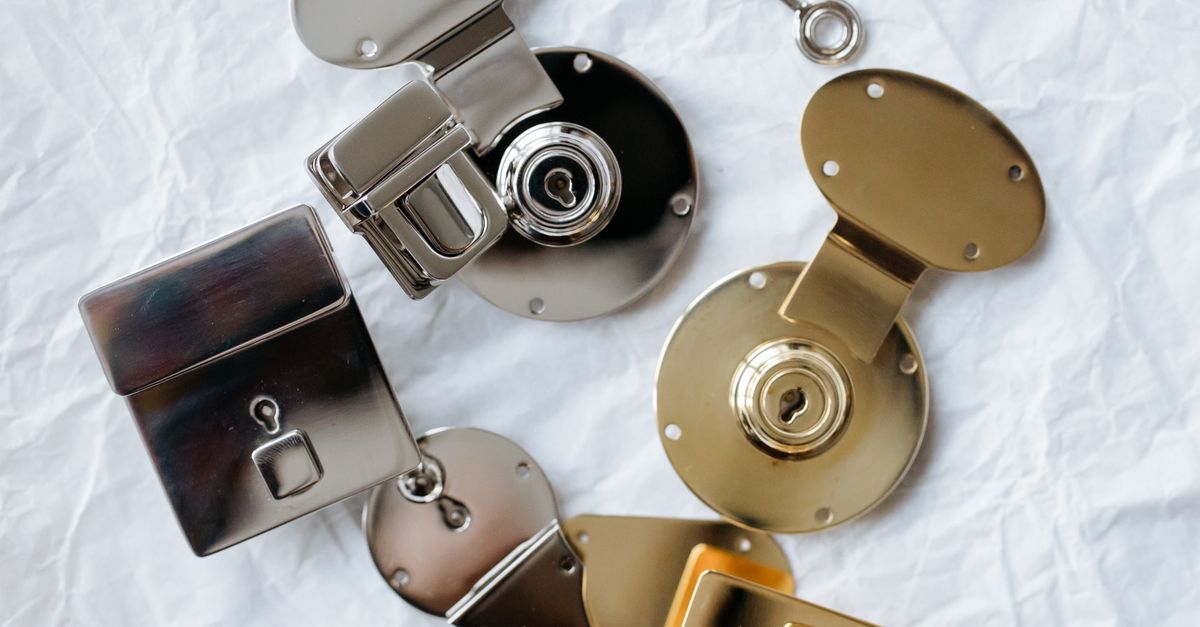
Not all locks respond the same way to a broken key, and the type of hardware at your door shapes both the extraction approach and what comes next. A standard residential deadbolt or door knob lock typically uses a pin tumbler cylinder, which is the most common design in Denver-area homes and straightforward for an experienced locksmith to work with. A mortise lock — the kind with a large rectangular body that sits recessed inside the door itself — adds layers of complexity because the cylinder is a separate component threaded into the lock body, and the cam or tailpiece that operates the mechanism can shift position when a key breaks mid-turn. Many of the older residential buildings in neighborhoods like Five Points, Congress Park, and Baker are fitted with original or early-replacement mortise locks, and these require a locksmith who genuinely knows the hardware.
Commercial properties add another dimension. A commercial locksmith working on a storefront or office building may encounter high-security cylinders with sidebar mechanisms, restricted keyways, or integrated access control — all of which require different tooling and more nuanced technique. If you're a business owner dealing with a broken key in a commercial door, the stakes are higher: a mishandled extraction on a high-security cylinder can void the lock's integrity entirely. Our team handles broken key extraction across all of these scenarios — residential deadbolts, door knob locks, mortise lock systems, and commercial hardware — with the right tools for each specific situation. If you're dealing with a broken key right now and aren't sure what type of lock you have, just call us at (704) 850-6756 and describe what you see — we'll know what we're heading into before we arrive.
## Can a Locksmith Unlock a Car with a Broken Key? What Drivers Need to Know
A broken key isn't only a home problem. Car owners in Denver deal with snapped transponder keys and broken key blades in ignition cylinders and door locks regularly — and the consequences are more complicated than a home lockout. Can a locksmith unlock my car if the key breaks in the door cylinder? Yes, and the process mirrors residential extraction, though vehicle door cylinders have their own geometry and the surrounding door panel limits working angles. A broken key in an ignition cylinder is a different matter — it may require column disassembly depending on the vehicle make and model.
Can a locksmith make a key for my car when I have lost all the copies? This is one of the most common questions we receive, and the answer is yes — but the process depends on the vehicle. For most modern cars, key replacement requires reading the vehicle identification number, verifying ownership, and programming a new transponder or smart key to the vehicle's immobilizer system. We carry key cutting and programming equipment on our mobile units for a wide range of domestic and foreign vehicles. Key replacement without an original is absolutely possible, though the time and scope vary by vehicle type and key technology. Ownership verification is always part of the process — it protects you as much as it protects us.
## What Happens After Extraction — Rekeying, Replacement, and Smart Next Steps
Once the broken fragment is out, you have options — and a good locksmith will walk you through all of them clearly before doing any additional work. If the cylinder is undamaged, rekeying it is often the most practical path: the locksmith replaces the internal pins so the old key no longer operates the lock and cuts new keys on the spot. Can you rekey a lock without having the original key? Yes — a trained locksmith can remove the cylinder and rekey it to a new key without needing the original. It's a standard part of the job, not a special circumstance. If you've just moved into a Denver apartment, changed roommates, or are in a situation where you're not sure who else has a copy of your current key, rekeying is the smart move regardless of how the broken-key situation resolved.
If the cylinder or lock body sustained damage — either from the break itself or from a prior DIY extraction attempt — then a full change the lock may be the better recommendation. Can a locksmith install a deadbolt to replace a damaged unit? Absolutely. We carry common deadbolt hardware on our mobile units and can install a new deadbolt, door knob lock, or mortise lock cylinder the same visit. Can a locksmith open a deadbolt that's been damaged in the process? In most cases yes, though a severely damaged or seized deadbolt may require drilling — which is why preserving the cylinder during extraction matters so much. For renters wondering can I change the lock on my apartment — the practical answer is that you generally need your landlord's involvement or approval, though rekeying (which returns the lock to original function with new keys) is often permitted. We're happy to talk through the specifics of your situation when you call. Whatever direction you go after extraction, we confirm an exact up-front price before any work begins — the factors that shape your quote include lock type and complexity, time of day, travel distance within the Denver area, and whether parts are needed. We answer 24/7 as a true emergency locksmith service, including nights, weekends, and holidays — because a snapped key doesn't check the calendar before it happens. Call (704) 850-6756 any time.
## A Note on Locksmith Practices in Colorado — What You Should Know
Colorado is one of the states that does not require a locksmith license at the state level, which means the barrier to entry for someone calling themselves a locksmith is lower than in states with mandatory licensing. This makes it especially important to choose a locksmith based on demonstrated experience, insured status, transparent pricing, and a real local presence rather than just whoever appears first in a search. Which states don't require a locksmith license? Colorado is among them, along with a number of others — which is worth knowing as a consumer. Our team is trained, experienced, and insured, and we operate as a genuine mobile locksmith unit serving the Denver metro area — not a dispatch service routing calls to whoever picks up. How much do locksmiths make in Colorado? Rates vary by service complexity and market, and we think the right answer for consumers is less about what locksmiths earn and more about whether the price you're quoted upfront is the price you actually pay — which, with us, it always is. The American locksmith tradition is built on trust and skill, and that's the standard we hold ourselves to on every call. We also accept multiple payment methods for your convenience — cards, digital payments, and cash are all options, and we confirm what's available when we confirm your appointment.
## Services We Provide Across the Denver Area
Broken key extraction is one piece of a much broader set of services our mobile team delivers across Denver and the surrounding communities — from Wash Park and Highlands to Aurora, Lakewood, Littleton, Thornton, and Westminster. Here is a full picture of what we handle: broken key extraction from residential and commercial lock cylinders, mortise lock repair and cylinder replacement, deadbolt installation and replacement, door knob lock installation and repair, rekeying without the original key, rekeying after a move or roommate change, residential lockout response, commercial lockout response, car lockout service, car key replacement including transponder and smart keys, ignition cylinder extraction, high-security lock installation, master key system setup for landlords and property managers, lock change for residential doors, lock change for commercial properties, sliding glass door lock replacement and rekeying (how to change the lock on a hiding glass door is a common question — we handle that hardware directly), keypad and electronic lock installation, how to change the lock code on a door for digital deadbolts and smart locks, lock installation on new construction, door frame and strike plate reinforcement, padlock opening and combination lock service, safe opening and combination reset, emergency locksmith response for lockouts at any hour, and post-break-in lock replacement and security consultation. Whether your need is straightforward or complex, our mobile units carry the tools and hardware to handle most jobs on a single visit.
Frequently asked questions
Can a locksmith make a key for my car when I have lost all the copies?+
Yes, this is a service we provide regularly. The process involves verifying your ownership of the vehicle, reading the vehicle identification number, and using mobile key cutting and programming equipment to create a new key matched to your car's locks and — for modern vehicles — programmed to the immobilizer system. The scope of the job depends on your vehicle's make, model, and the type of key technology it uses. We confirm an exact up-front price before any work begins, with the final quote shaped by vehicle type, key complexity, and any programming requirements.
Can you rekey a lock without having the original key?+
Absolutely. A trained locksmith can remove the cylinder from your lock, decode it using professional tools, and rekey it to a brand-new key — all without the original. This is a standard service, not an unusual workaround. It's particularly useful after a move, after losing a key set, or after a break-in where you want the old key copies rendered useless. We can do this for deadbolts, door knob locks, mortise lock cylinders, and most commercial hardware.
What are your business hours, and do you really answer at night?+
We operate 24 hours a day, 7 days a week — including weekends and holidays. As a true 24/7 emergency locksmith service in the Denver area, we don't use an answering service or a callback queue for after-hours calls. When you call (704) 850-6756 at 2 a.m. because your key snapped in the lock coming home from a shift, a real person picks up and dispatches a mobile unit to your location. Response times vary depending on your location and current demand, but we'll give you an honest ETA when you call.
What payment methods do you accept?+
We accept major credit and debit cards, digital payment methods, and cash. We confirm payment options when we confirm your service appointment so there are no surprises. We also provide a clear, itemized quote before any work starts — the price we quote is the price you pay, with no hidden fees added after the job is complete.
Why shouldn't I just try to get the broken key out myself before calling?+
The instinct to grab tweezers or a flathead screwdriver is completely understandable, but DIY extraction attempts very frequently push the fragment deeper into the cylinder, rotate the plug out of alignment, or scratch the keyway in a way that complicates professional extraction later. In a worst-case scenario, a damaged cylinder may need to be drilled out entirely, which means replacing the lock rather than simply extracting the key and rekeying. A professional extraction on an undamaged cylinder is almost always faster, cleaner, and more cost-effective than recovering from a DIY attempt gone wrong. Call first — it's almost always the better path.